Callus / Corns / Cracked heels




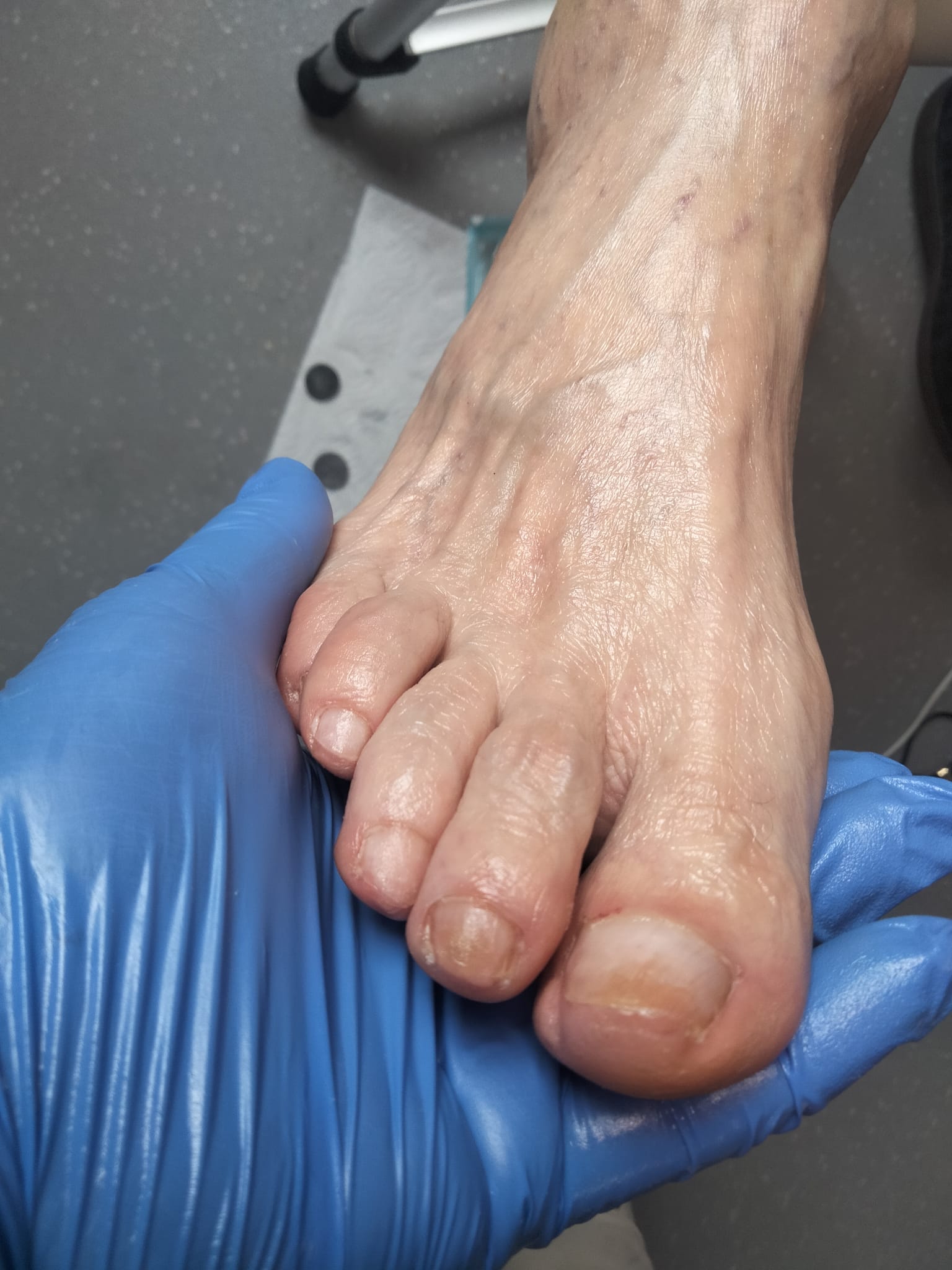

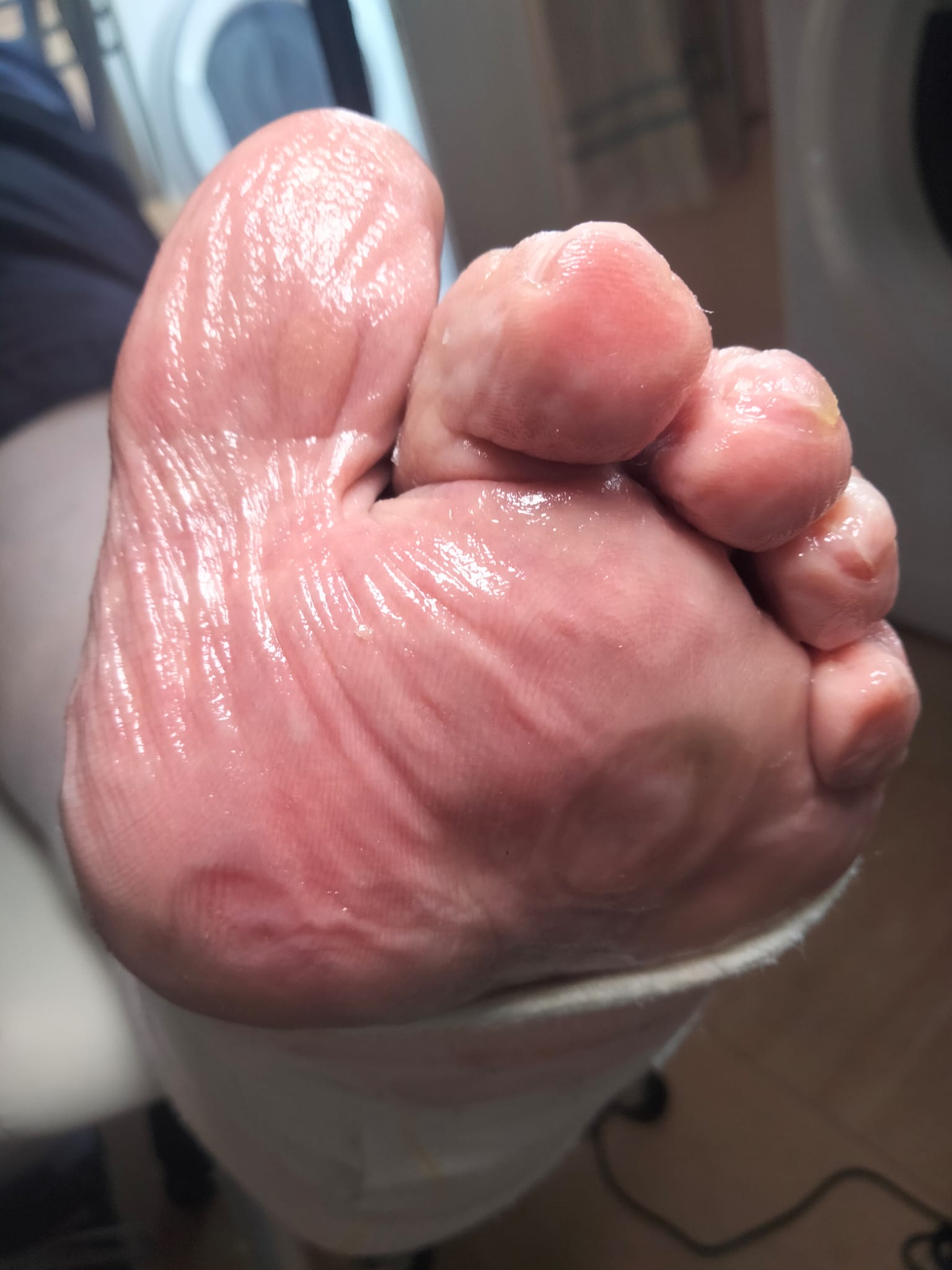
A callus is the body’s natural defence response to constant pressure and friction in one place.
They are foci of excessive keratinisation of the epidermis, spherical, irregular in shape with a yellowish or brownish-yellow colour. They are clearly demarcated from healthy skin and sensation within them is impaired. They usually do not cause pain, although very large calluses can cause pain. They are often a consequence of bony deformities of the feet, e.g. transverse flatfoot, obesity, hyperhidrosis, bad footwear (high-heeled shoes or very flat shoes such as flip-flops, ballerinas), improper care (excessive removal of keratinised epidermis), but the tendency to calluses may also be hereditary.
Calluses absolutely must be removed, because they can develop into painful corns, or due to their cracking can open the door to bacterial, fungal or viral infection.
Successful treatment can only be achieved if the cause of their formation is eliminated.
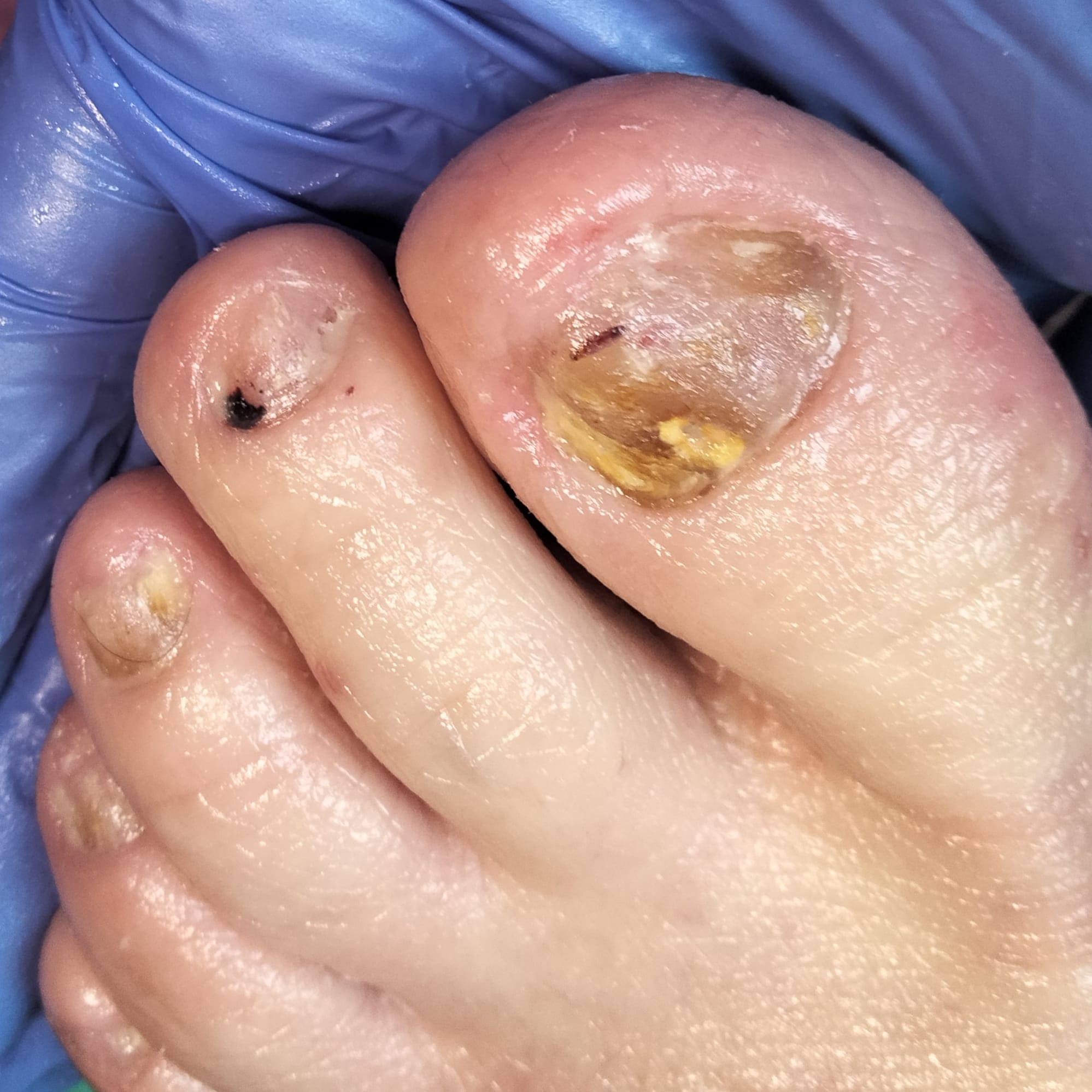
A corn, like a callus, is a thickening of the dead skin resulting from prolonged pressure points, but unlike calluses, imprints are usually painful. A corns contains a keratinised pus (core) that can extend deep into the tissue up to the periosteum. Corns are very often confused with viral warts.
The most common location is on the dorsal surfaces of the toes, especially III, IV and V and the inner surfaces of the toes, as well as on bony protrusions on the sole of the foot, e.g. on the joints. Bone deformities and shoes that are too tight are the most common causes. Very often patients try to remove corns on their own, cutting them out, rubbing or using pharmacy products (ointments, patches). Unfortunately, such products contain acids in their composition, which, due to friction and pressure, irritate the healthy skin around the corns and the corns themselves, exacerbating the changes, creating wounds and inflammation, which significantly complicates and prolongs the duration of treatment. The removal of the corns is usually a painless procedure and the implementation of post-operative recommendations reduces their recurrence.
Foot problems of this type may result from many causes, and apart from foot deformities and improper selection of footwear, they may also occur due to excessive foot perspiration. They are a common problem for people with diabetes, rheumatism or hypertension. The removal of corns and calluses requires the use of mechanical means – the lesions are cut off with a scalpel and specialised tools, and then appropriate postoperative relief is selected.
Cracked heels
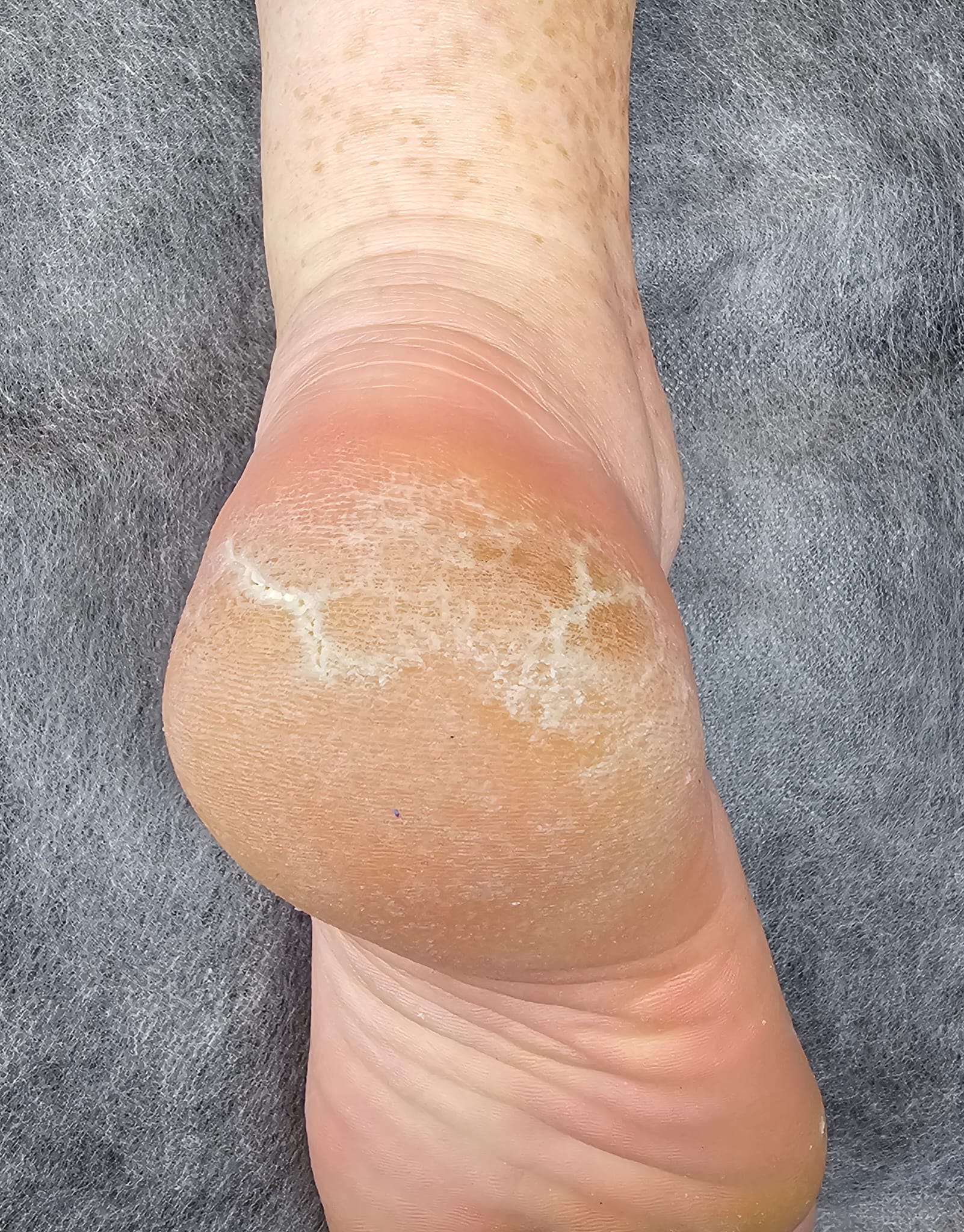
Dry skin is a very common problem among our patients, lost elasticity and resilience and excessive keratinisation can cause roughness and cracking.
Metabolic disorders, genetic factors, poor diet, obesity, diabetes, hormonal changes (menopause, hypothyroidism) all contribute to this. Also improper care, too invasive abrasion of the epidermis and inappropriate hard footwear can exacerbate the problem of cracked skin.
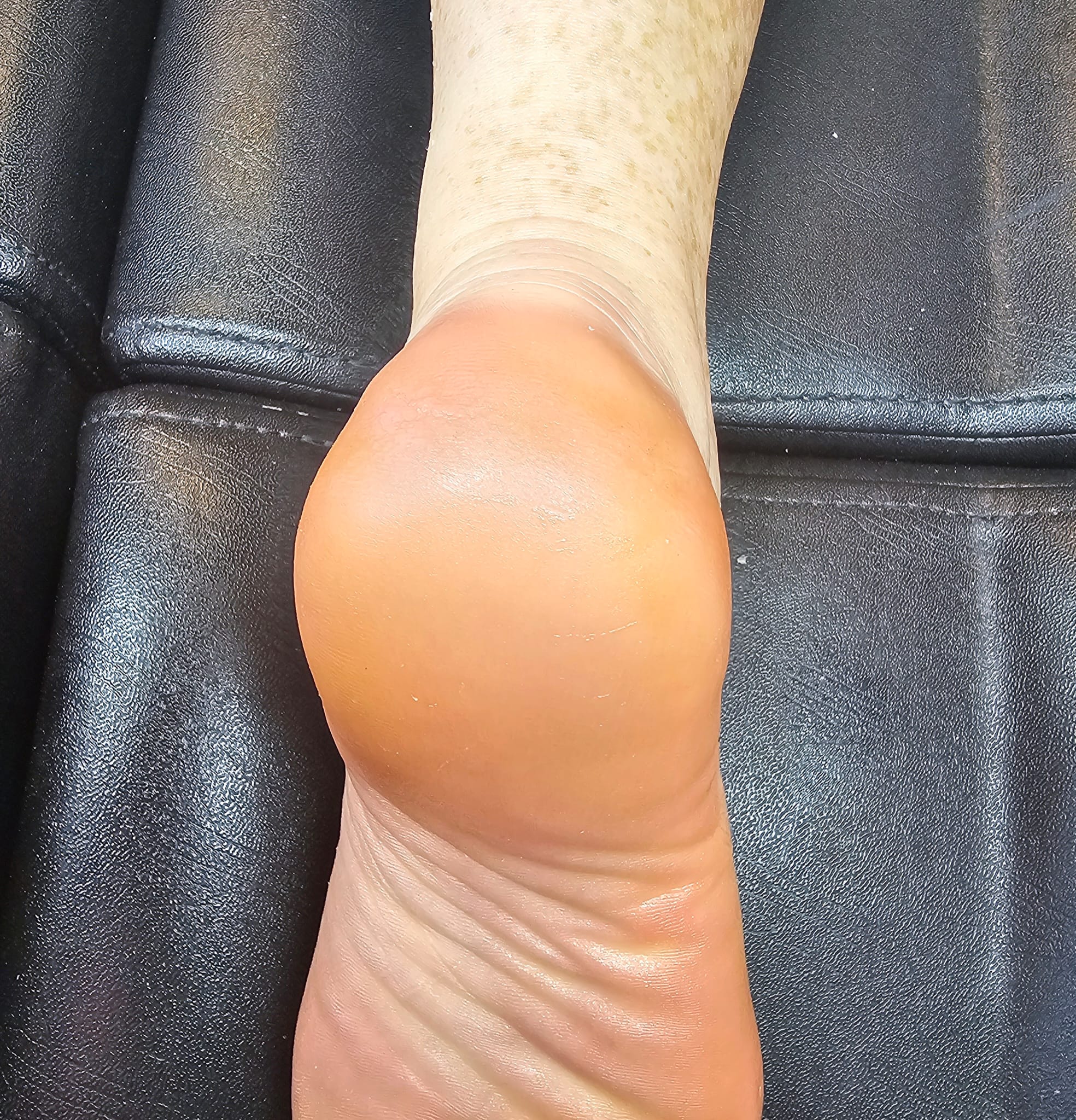
The treatment consists of working out the keratinised epidermis, using a disposable sterile scalpel, and levelling the edges of each crack/crack with a chisel. The surface of the heels is then smoothed with the appropriate cutters. The cracks/splits and the entire heel are disinfected and treated with a suitable preparation. If necessary, a dressing and pressure relief is applied. The patient is given instructions on how to proceed in order to eliminate or minimise the problem and how to take care of it at home. It is important to remember that the treatment must be carried out systematically in order to achieve the desired effect.